
How to Get Started
You Don’t Strengthen Performance Under Pressure by Guessing. You Start by Measuring What Pressure Is Doing to Your People.
Before a championship team changes its training plan…
Before an organization restructures a division…
Before a school launches a new initiative…
They do one thing first.
They measure what’s actually happening.
Because pressure changes behavior.
And if you don’t measure it, you manage blind.
Why Most Performance Initiatives Fade
Here’s what usually happens.
A company senses something is off.
Communication feels strained
Decisions slow down
Energy drops
Frustration rises
Accountability weakens
So they launch:
A training
A workshop
A new program
Another employee survey
And for a few weeks, things feel better. Then pressure returns. And nothing fundamentally changes.
Not because people lack talent. Not because they lack motivation. But because no one measured how pressure is affecting behavior. You cannot fix what you have not diagnosed. That is why every Live Prosperous engagement begins the same way. With assessment.
Step 1: Measure What Pressure Is Doing to Your People
The Built for the Storm™ Assessment is not a personality test and it is not motivational content. It is a diagnostic tool designed to reveal how individuals and teams respond when stakes rise and stress increases.
It identifies how clearly people communicate under strain, how decisions are made when uncertainty grows, and where emotional fatigue may be accumulating beneath outward performance. For organizations, it reveals patterns of alignment, hidden stress distribution, and early indicators of burnout or disengagement.
This is not about titles or authority. It is about responsibility and influence. Every person in an organization contributes to the overall performance environment. When pressure is measured, clarity replaces assumption. When clarity replaces assumption, strategic decisions become sharper and more effective.
For Individuals Seeking Greater Clarity and Control
Many professionals do not see themselves as “leaders,” yet they influence outcomes every day through their behavior, communication, and response to stress. Under pressure, some people remain steady and focused. Others withdraw, overextend, or react more quickly than they realize.
The assessment provides an objective mirror. It reveals resilience patterns, pressure-response tendencies, and the areas where strength is sustainable or where strain may eventually surface. Instead of relying on self-perception, individuals receive clear insight into where they are and what to strengthen next.
This is not about becoming someone different. It is about understanding how you operate when it matters most.
For Teams and Departments
Performance rarely breaks down all at once. It erodes gradually. One team member absorbs more pressure than others. Another becomes defensive. Another disengages quietly. Over time, small misalignments compound into measurable friction.
The Team Assessment allows each participant to complete their own confidential diagnostic while leadership receives aggregate insights only. This protects trust while making patterns visible. Communication gaps, alignment challenges, and pressure distribution become clear without singling anyone out.
When teams see their patterns, they can correct them before they escalate.
For Organizations and Executive Teams
At scale, pressure multiplies. Small blind spots at the individual level become systemic risk at the organizational level. Cultural strain spreads faster than strategy, and burnout often shows up after performance has already begun to decline.
The Organizational Assessment provides confidential individual insights combined with aggregate data across departments. It highlights where resilience is strong, where communication is breaking down, and where pressure is exceeding capacity. This allows executive teams to intervene early, allocate resources intelligently, and build sustainable performance systems rather than reactive fixes.
Measurement enables foresight. Foresight reduces risk.
What Happens After the Assessment
Once pressure is measured, the path forward becomes clearer. Individuals understand what to strengthen first. Teams recognize where alignment needs attention. Organizations see where structural adjustments can protect performance.

After the assessment, you gain:
A clear understanding of where pressure is helping performance and where it is eroding it
Visibility into communication, accountability, and resilience patterns
Prioritized focus areas rather than broad improvement goals
A structured path forward based on evidence

From there, engagement may include:
Focused individual development programs
Team accelerators designed to improve alignment and communication
Executive advisory to address system-level blind spots
Long-term resilience systems embedded into culture
The difference is that these decisions are made from evidence rather than assumption.
Clarity reduces friction. Precision replaces generalization. Investment becomes intentional.
The Impact We Create
Stories of Reset, Resilience, and Renewal


“I became a creative partner with Live Prosperous, directing some of the content for their “Built for the Storm” program because I resonated with their passion on emotional resilience and leadership. So many concentrate on the goal line but lack the tools to navigate the ups and downs along the way. When you’re making a film, you’re making magic out of chaos.
You’re leading a varied crew to align in vision, through uncertainty, budget restraints, different personalities, and the constant immense pressure to get it done. I think one of the things that separates films that reach audiences from the those that burn out in development isn’t just talent—it’s emotional resilience. You have to believe so passionately in your story when no one else does, hold your team together when everything’s falling apart, and find the courage to make tough decisions that serve the narrative, not your ego. Leadership on set means being a true captain, a steady hand when the ship is rocking, and navigating the collective purpose with grace.”

Jamie Anderson
writer, director and producer
“I’m collaborating with Live Prosperous on the development of their 8 pillars of strength and several programs “Built for the Storm” and “Managing Transition for Veterans”. Their mission to teach the skills, tools and habits that elite warriors, elite athletes and elite business leaders have is extremely important in today’s world for all people.
In the teams, we learned that physical toughness gets you through the door, but emotional resilience keeps you in the fight. Real leadership isn’t about being the hardest person in the room it’s about having the courage to be vulnerable with your team, the discipline to control your own emotional state under pressure, and the wisdom to know that taking care of your people’s mental well-being isn’t soft, it’s strategic. The strongest warriors I knew weren’t the ones who never felt fear or doubt; they were the ones who acknowledged those feelings, processed them, and kept moving forward. That’s the kind of resilience that not only wins battles but builds teams that last long after the mission is over.”
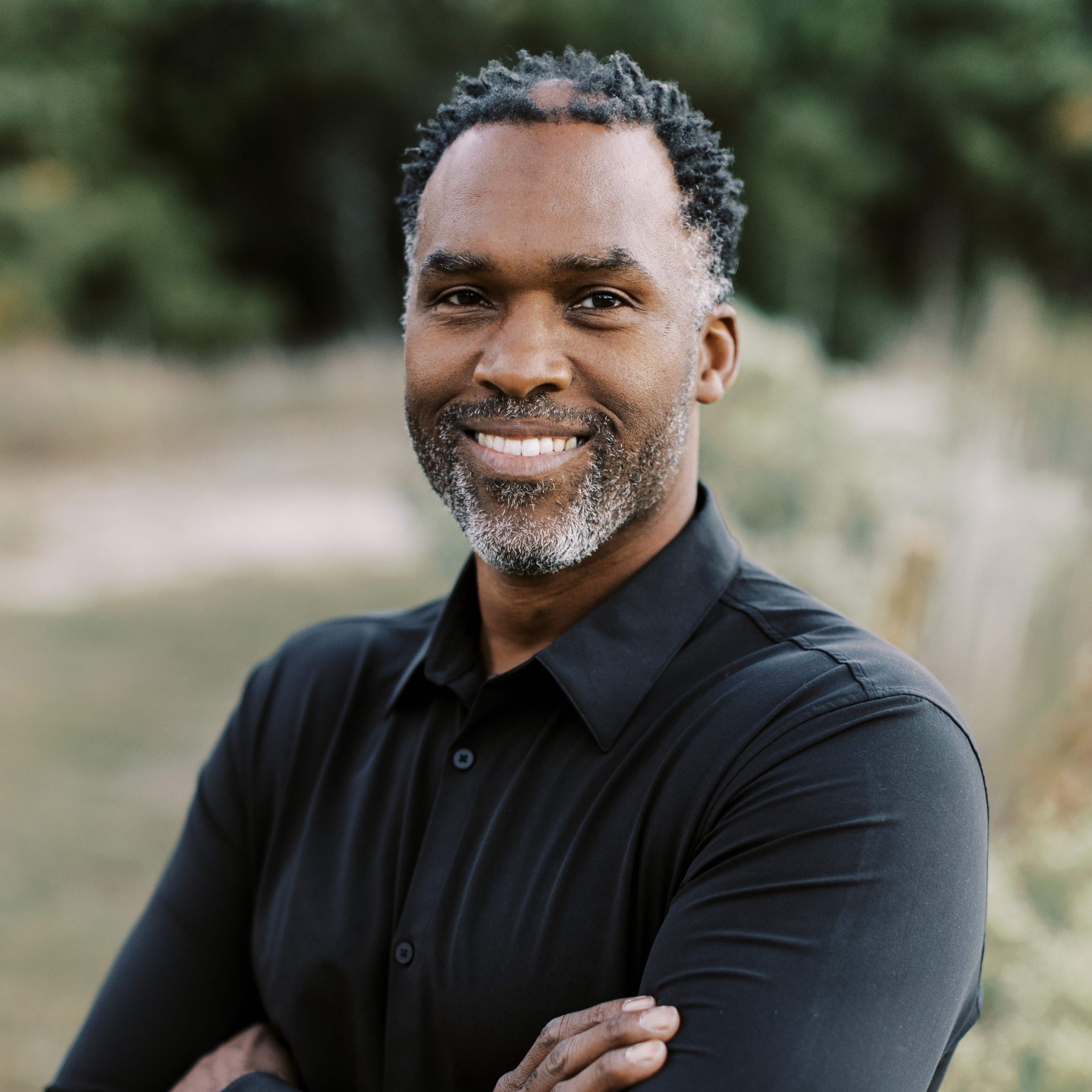
Mark Greene
Retired US Navy SEAL, Author, Speaker
Why We Always Begin with Measurement
We collaborate with organizations that understand leadership is not optional — it’s their competitive edge.

Insight Before Inspiration
Most development programs start by trying to motivate change. We begin by identifying what is actually happening beneath the surface.

Accountability Improves When Pressure Is Visible
When pressure patterns are clearly understood, communication stabilizes and responsibility becomes shared instead of assumed.
What Goes Unmeasured Compounds
Unidentified strain quietly erodes performance over time. Measured pressure can be managed before it becomes costly.
Clarity Is the Starting Point
The path forward becomes simple once you see what pressure is doing to your performance.
Your First Step
Whether you are an individual contributor, a department manager, or an executive responsible for an entire organization, the process begins the same way. Take the Built for the Storm™ Assessment and gain a clear understanding of where you stand today.
Everything that follows becomes more effective when it begins with clarity.
© 2026 | Live Prosperous | All Rights Reserved