This is for people already carrying more than they say out loud.
If you're in a heavy season right now, or you can see one coming, you already know willpower alone isn't holding the way it used to.

Professionals and high performers who look fine from the outside and know they're not fine on the inside

People moving through a real transition, a new role, a loss, a big life change, who don't want to white-knuckle it alone this time

Parents, performers, and athletes whose identity got built around holding it together for everyone else

People who already know Live Prosperous and want this work for themselves, not for a company
If any of that sounds like you, keep reading.
Pressure doesn't break most people. It erodes them.
Most people don't fall apart in a single moment. They erode. One hard week, one absorbed hit, one skipped recovery at a time. And because it happens slowly, they keep telling themselves they're fine.
You're running on survival mode, reacting to everything instead of choosing anything. Stress keeps shaping your mood, your reactions, and your relationships in ways you don't like. You're carrying more than your share, and it's quietly draining you.
You've probably already tried to fix it. A book. A podcast. A promise to yourself that this month would be different. And the same patterns were still there on Monday, because willpower was never the missing piece.
The missing piece is structure, and people, and someone guiding it who has done this before.
Here's exactly what happens over the six weeks.
This isn't a course you watch. It's work you do, live, with a small group and Beth guiding every session.

Week 1, Name the Storm.
You get honest about the pressure you're actually carrying, out loud, maybe for the first time. You'll see how stress has been quietly shaping your reactions, and name the patterns that keep repeating.
Week 2, Identity Under Pressure.
You figure out who you want to be when life gets hard, and start responding from that place instead of defaulting to survival mode.


Week 3, Build the System.
You trade willpower for simple, sustainable routines that calm your nervous system and keep you steady even when the week isn't.
Week 4, Boundaries and Energy.
You find where your energy is leaking and close the gaps, with boundary language you can actually use with real people in your real life.


Week 5, Applying It Inside the Storm.
You practice all of it under real pressure, real stress, real conflict, while you still have the group and Beth to work through it with you.
Week 6, Integration and Continuation.
You look at the evidence of how far you've come, and leave with a continuation plan so the change holds long after the six weeks end.
Every session is live and recorded. Beth sends a follow-up each week with her notes, the recording, and that week's practice, so nothing gets lost between sessions, even if life gets loud.
Skip it, and nothing changes. The next hard season arrives on schedule, and you go through it the same way you went through the last one. Join it, and you walk into that season with a system, a group, and six weeks of practice already behind you.

A book can teach you the ideas. It can't walk through the storm with you.
Here's the honest truth about why most self-improvement doesn't stick. It isn't that the ideas are wrong. It's that you're trying to apply them alone, in the middle of the exact pressure that made them necessary.
A guided cohort works differently. Shared structure, so you're not relying on motivation. Real accountability, from people who notice when you go quiet. And a guide who has walked hundreds of people through this exact terrain, so you're never guessing whether you're doing it right.
That's not theory. It's the method behind these six weeks. And the woman who leads it has spent her whole career proving it works.
Guided by someone who's spent 25 years doing exactly this work.
Beth Shaha is an ICF Certified Master Life Coach and a Penn State adjunct professor, with 25 years in educational facilitation and personal development.
Her work has taken her into rooms most coaches never see. She has guided executives at Fortune 500 companies through the pressure that leadership programs never actually touch, the pressure of being a person underneath the title. And through Penn State's Invent Penn State program, she has sat with Division I student-athletes in the exact moment they realize their identity was never supposed to depend on the sport.
"They are often working so hard to be this athlete, that becomes their identity and purpose," she says. "We talk to them about taking the skills they have to climb this mountain, and building a bridge to where they want to go."
Boardrooms and locker rooms taught her the same lesson. Nobody falls apart all at once. They erode, quietly, and the way through is building something steadier underneath. That's the work she brings to every session of this cohort, live, personally, in a group kept small enough that she actually knows what you're carrying.


A leader is not just what you hope to be. It is what you become.
Tom Kenney
President & CEO, Hockey Canada
He's the ultimate leader. The kind of guy who can motivate anyone to do anything.
Sidney Crosby
Captain, Pittsburgh Penguins, NHL
I've seen JB take the weakest and the most elite and forge them into the world's most elite fighting force.
Paul R. Johnson
U.S. Army Ranger (Ret.)
Six weeks, built to fit inside a real life.
This was designed for people who are already carrying a lot. It asks enough of you to create real change, and no more.

6 live virtual sessions

Wednesdays at lunch

A follow-up from Beth every week

Structured debriefs

Practical tools & bonus materials

A small group walking with you
What you take out of the six weeks.
The cohort is the catalyst. These are the shifts most participants feel by the end, and the people around them notice too.
Steadier under pressure
Patterns you catch before they run the show
Systems instead of willpower
Boundaries you actually hold
Faster recovery on hard days
People who genuinely get it
Tell yourself the truth about how the last hard season went. Then decide how you want the next one to go.

Why reserve your seat now.
The cohort starts September 2, and it's kept deliberately small so Beth can actually work with each person in it, not present at a crowd. When the seats are filled, enrollment closes, and the next opportunity is a future cohort, not next week.
There's a second reason not to wait, and it matters more. Hard seasons don't schedule themselves around your readiness. Six weeks of preparation only helps if it happens before you need it.

The practical details.
The basics most people ask up front. Everything else arrives in your welcome email after you enroll.
Starts September 2
Six weekly sessions, Wednesdays at lunch
Live & virtual
All sessions recorded
$50 deposit, $250 balance due at start
Ready to go through the next storm differently?
Reserve your seat with a $50 deposit. The remaining $250 is due when the cohort begins on September 2, no surprises. Not ready to commit today? Join the waitlist and we'll keep you posted.
The deposit costs you $50. Skipping it costs you the next hard season, spent the exact same way you spent the last one, alone in it, with nothing new to hold onto.

How Two Seconds A Day Can Get You Back To Yourself In Six Weeks
Even if you've done the workshop, read the book, and watched it all wear off by the third week. Beth gives you the tool in the first sixty seconds of the video below.
Trouble playing? Open the video directly
$300 total · $250 due 7 days before we start · 6 live sessions · 10 seats
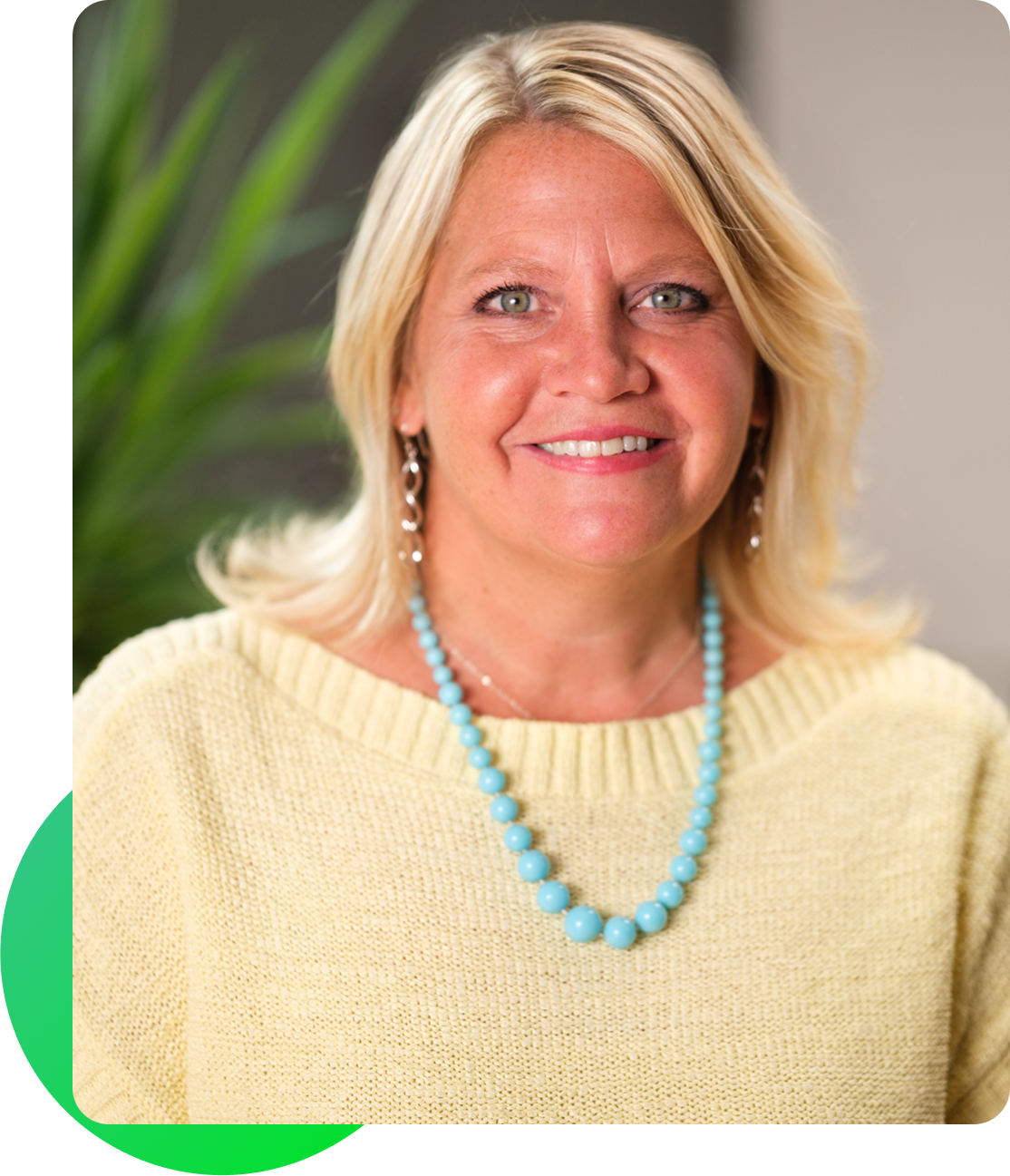
Beth Shaha
ICF Certified Master Life Coach · Martha Beck Wayfinder-Certified · LP-Certified Coach
Beth works with people who look like they have it handled, and privately don't.


This Is For The Person Who Is Functioning, And Running On Empty
Tired in a way that sleep doesn't fix.
Reacting faster and sharper than you used to, then feeling bad about it after.
Giving the worst version of yourself to the people closest to you.
Struggling to remember the last time you were genuinely present instead of just getting through the day.
None of that means something is wrong with you. It means a demanding season is asking more of the skills you have.
This isn't therapy and it isn't a replacement for it. If you're in crisis, please get proper clinical support first. That matters more than anything on this page.
You've Tried Something Like This Before
You read the book. You went to the workshop. You felt something real while you were in the room.
Then Monday came, and within three weeks you were operating exactly the way you were before.
That wasn't a willpower problem.
Understanding something and being able to reach for it under pressure are two different skills. The first takes an afternoon. The second takes repetition, with support, over enough weeks that it becomes automatic.
Six weeks is enough for that. Six hours never was.
Eight Capabilities, Built One At A Time
These aren't ideas to agree with. Each one is a specific practice with specific tools, applied to what's actually happening in your life while it's happening.
Emotional Awareness
Understand and manage your emotions so you can respond with greater calm, clarity, and intention.
Responsibility
Own your choices, actions, growth, and impact, and take constructive action when something needs to change.
Decision-Making
Make clear, timely decisions even when information is incomplete and certainty isn't possible.
Vision
Look beyond the immediate pressure, anticipate what may come next, and stay connected to the bigger picture.
Execution
Turn priorities and ideas into consistent action through structure, systems, support, and accountability.
Adaptability
Adjust when circumstances change, learn from setbacks, and keep moving forward without losing direction.
Purpose
Stay connected to what matters most so your everyday choices support a meaningful direction.
Healthy Relationships
Build trust, support, and psychological safety so people can communicate honestly and show up well for one another.
Six Weeks To Build What You'll Want To Rely On Later
Name The Storm
Get honest about the pressure you're actually carrying. You'll learn how stress quietly shapes your reactions, name the patterns that keep repeating, and build the self-awareness that every real change starts from.
Identity Under Pressure
Discover who you want to be when it gets hard and begin responding from that place. You'll anchor to your values and define the kind of grounded, intentional person you can count on instead of defaulting to survival mode.
Build The System
Trade willpower for simple, sustainable systems. You'll design routines and recovery practices that calm your nervous system, reduce chaos, and keep you steady even when life isn't.
Boundaries & Energy
Find where your energy is leaking and close the gaps. You'll learn to set clear, healthy boundaries, release over-responsibility, and protect the time and energy your well-being depends on.
Applying It Inside The Storm
You practice all of it under real pressure, real stress, real conflict, while you still have the group and Beth to work through it with you.
Integration & Continuation
Recognize how far you've come and plan to keep going. You'll celebrate real evidence of growth, reinforce what's working, and leave with a continuation plan so the change sticks long after the cohort ends.
A Few Things You Might Be Thinking
"I've done something like this before and nothing changed."
Fair, and it's why this is six live weeks rather than a course you watch alone. You'll take the assessment before and after, so you're not relying on a feeling to tell you whether anything moved. You'll have the comparison.
"I don't have six weeks."
One session a week, all recorded, so missing one doesn't put you behind. And the reason you don't have six weeks is the exact thing this addresses.
"I'm not struggling enough for this."
The most common thing people say, usually from the people who benefit most. You don't have to be in crisis to want to stop running on empty. Waiting until it's bad enough to justify help is one of the patterns we work on.
"I don't want to share personal things with strangers."
You set your own depth. Nobody is made to disclose anything. Most people end up valuing the group most, but you control what you bring.
Built For The Storm, In A Small Live Cohort
Built for the Storm Assessment
Take it before and after the cohort to establish a starting point, see how your responses change, and know where to keep building after the six weeks.
6 live virtual sessions
Small-group sessions facilitated live by Beth, combining conversation, reflection, practical tools, and guided application.
Weekly follow-up & practice
Materials after each session to reinforce what you explored and keep the practice going during the week.
Recorded sessions to revisit
Every session recorded so you can return to the conversation, frameworks, and practices throughout.
Practical tools & materials
Reflection prompts, worksheets, and exercises that move the ideas from understanding into application.
A small cohort alongside you
People working toward the same things, creating shared language, encouragement, and accountability.
Reserve Your Seat
Six weeks. Live guidance. Practical tools. A small cohort alongside you.
We'll send you everything you need before we begin.
You've Got Two Options
The first is to close this page, go back to how you've been doing it, and get what that's been giving you. For some people that's genuinely fine.
But if it were fine, you probably wouldn't have read this far.
The second is to give it six weeks. Show up, do the practice, and find out what you're like on the other side of it.
The cohort starts September 30. The group is ten people on purpose. When the seats are gone, the next one isn't for a while.
The honest question isn't whether you can afford this. It's whether you want to walk into the next demanding season with exactly the tools you have right now.
Not ready to commit to six weeks?
Take the free Built for the Storm assessment first. Twelve minutes, your own results, no cost.